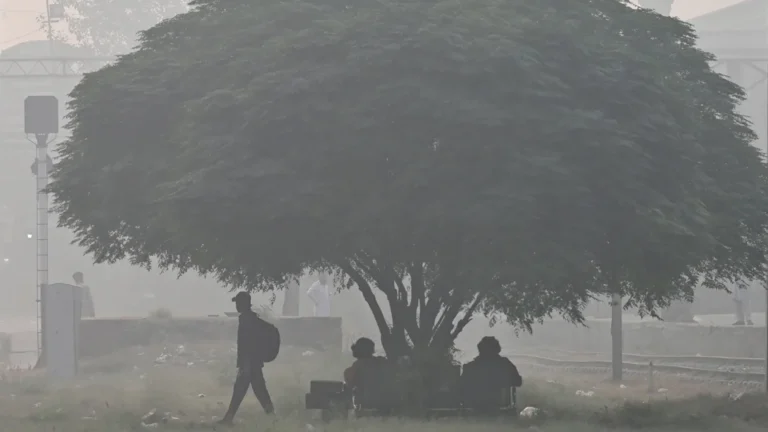

South Asia is home to some of the world’s most polluted countries, with Pakistan and India consistently ranking among the top offenders. The region faces severe environmental challenges, particularly during the smog season, which threatens public health, agriculture, and economic stability. Smog diplomacy—a collaborative approach to tackling transboundary air pollution—offers a promising solution to mitigate the crisis. This article examines the causes, impacts, and potential solutions for smog in Pakistan and India, drawing on accurate data and proposing actionable strategies for bilateral cooperation.
The State of Pollution in South Asia
Pollution Rankings and Statistics
The 2023 World Air Quality Report by IQAir highlights alarming levels of pollution in South Asia:
- Lahore, Pakistan, and Delhi, India, alternately rank as the most polluted cities globally, with average PM2.5 levels exceeding 100 µg/m³, far above the WHO safe limit of 5 µg/m³.
- India is the most polluted country in the region, with an annual PM2.5 average of 53.3 µg/m³, while Pakistan closely follows with 44.4 µg/m³.
Smog Season and Transboundary Effects
From October to February, the Indo-Gangetic Plain experiences severe smog due to:
- Agricultural stubble burning in Punjab (India and Pakistan).
- Emissions from industrial activities, vehicles, and coal-fired power plants.
- Meteorological factors like temperature inversion and trapping pollutants close to the ground.
Smog does not recognize national borders, making it a transboundary issue. The shared atmosphere of Punjab in both countries is a hotspot for pollution exchange, exacerbating the crisis.
Causes of Smog in Pakistan and India
- Agricultural Practices
- Stubble Burning: Farmers in Indian and Pakistani Punjab burn crop residue to clear fields quickly, releasing massive amounts of CO2, CO, and particulate matter. In 2022, Indian farmers burned approximately 71,000 hectares of stubble, contributing significantly to regional smog.
- Industrial Emissions
- Pakistan and India rely heavily on coal-fired power plants, which emit sulfur dioxide (SO₂) and nitrogen oxides (NOx). Coal accounts for 55% of energy production in India, while in Pakistan, it is 34%.
- Urbanization and Vehicular Pollution
- Rapid urbanization has led to increased vehicular emissions. In Lahore, 43% of air pollution is attributed to vehicles, while Delhi faces similar challenges.
- Ineffective Policy Implementation
- Despite environmental laws, enforcement remains weak due to corruption, lack of political will, and inadequate infrastructure.
Impacts of Smog
- Health Consequences
- Smog causes respiratory and cardiovascular diseases, leading to an estimated 2 million premature deaths annually in India and 135,000 in Pakistan (Lancet, 2023).
- Economic Losses
- India loses approximately $150 billion annually due to air pollution, while Pakistan suffers $47 billion in losses, primarily due to healthcare costs and reduced labor productivity.
- Agricultural Damage
- Ozone and particulate matter reduce crop yields. In Punjab, wheat and rice yields have declined by 5-10% over the past decade.
Also Read: The Rebellion of Pakistan’s Rivers in 2025
The Case for Smog Diplomacy
Historical Precedents
Despite political tensions, Pakistan and India have cooperated on environmental issues before. The Indus Waters Treaty (1960) has survived wars and conflicts, demonstrating the potential for ecological diplomacy.
Shared Responsibility
Smog diplomacy acknowledges that neither country can solve the issue unilaterally. Collaborative frameworks are necessary to:
- Address the transboundary nature of air pollution.
- Share technological and financial resources.
Proposed Solutions
- Policy and Legislative Measures
- Joint Air Quality Standards: Establish uniform PM2.5 and PM10 standards across borders.
- Ban on Stubble Burning: Implement strict penalties and provide subsidies for alternative residue management.
- Technological Interventions
- Adoption of Cleaner Technologies:
- Promote the use of Happy Seeder machines in agriculture to eliminate stubble burning.
- Retrofit coal-fired plants with flue gas desulfurization (FGD) systems.
- Real-time Air Quality Monitoring:
- Develop a shared air quality index accessible to both nations.
- Economic Incentives
- Carbon Credit Programs: Encourage industries to adopt cleaner practices through financial rewards.
- Farmer Subsidies: Provide financial aid for adopting eco-friendly farming methods.
- Public Awareness Campaigns
- Launch cross-border campaigns to educate citizens on reducing pollution, such as carpooling, using public transport, and reducing energy consumption.
- Institutional Mechanisms
- Bilateral Environmental Commission: Create a joint body to oversee smog mitigation efforts, with representation from government, academia, and NGOs.
- Research and Development: Fund collaborative research on renewable energy and sustainable agriculture.
Challenges to Smog Diplomacy
- Political Tensions
- Historical animosities and unresolved conflicts, such as the Kashmir dispute, hinder trust and cooperation.
- Resource Constraints
- Both nations face economic challenges that limit their ability to invest in green technologies and infrastructure.
- Weak Enforcement Mechanisms
- Corruption and lack of accountability undermine the implementation of environmental policies.
The Way Forward
Building Trust Through Environmental Cooperation
Environmental diplomacy can serve as a confidence-building measure. Shared concerns about smog may lead to broader discussions on regional stability and cooperation.
Leveraging International Support
Multilateral organizations like the World Bank and UNEP can mediate and fund joint initiatives. For example, the Global Environment Facility (GEF) could support renewable energy projects in the region.
Regional Collaboration
Pakistan and India should engage other South Asian countries through SAARC to develop a regional air quality management framework.
Conclusion
The smog crisis in South Asia is a stark reminder of the urgent need for collaborative action. Smog diplomacy offers a unique opportunity for Pakistan and India to set aside their differences and work towards a cleaner, healthier future. By implementing joint policies, leveraging technology, and fostering public awareness, the two nations can not only address air pollution but also build a foundation for sustainable development and regional peace.