International Conference on Regional Connectivity for Prosperity

International Conference on Regional Connectivity for Prosperity

Peshawar, 11 June 2024 (WAI): The Regional Connectivity Center at Shaheed Benazir Bhutto Women University Peshawar (SBBUWP), in collaboration with the Pakistan Research Center for a Community with Shared Future (PRCCSF) and the Embassy of the People’s Republic of China, hosted a groundbreaking international conference on “Enhancing Regional Connectivity for the Betterment of Shared Future … Read more

Analyzing Pakistan’s Structural Issues: A Case Study

To thoroughly understand a society, its political activities, and the state machinery that ultimately shapes international politics, it is crucial to study how structural units of that very society work. The world is, after all, a mosaic of different patches that we call states. These states are made by human beings, who are their basic … Read more

Evaluating China’s soft power approaches

In the intricate landscape of global relations, China’s Soft Power Strategy is harassed through warfare and media. Moreover, this analysis unravels the multifaceted dimensions of China’s rise, examining its core strategic approaches, underlying theories, and varied global responses. Notably, China’s state-controlled media, comprising outlets like Xinhua, CCTV, and People’s Daily, meticulously crafts narratives around national development, technological prowess, and cultural richness. These themes … Read more

United States Involvement in Middle East: Oil, Politics, and Shifting Influences

United States Involvement in Middle East: Oil, Politics, and Shifting Influences

Since the early 20th century, the U.S. has been involved in the Middle East for its oil resources and to counter Soviet influence. The U.S. had alliances with some key players like Saudi Arabia and Israel. After the U.S. abandoned the Bretton Wood system, it went into a deal with Saudi Arabia, which we know … Read more

Historical roots and implications of China-Taiwan conflict

Historical roots and implications of China-Taiwan conflict

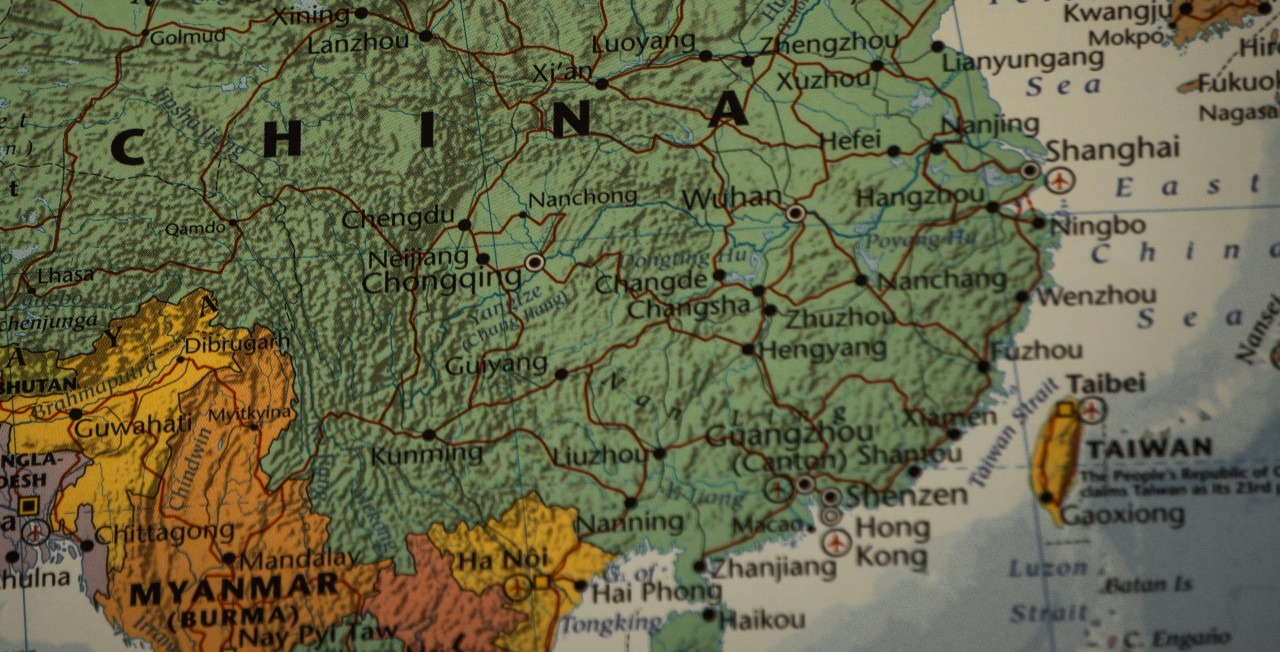
The China-Tawan conflict started with the arrival of communism in China in 1921. China was then ruled by a progressive nationalist party known as Kuomintang (KMT), which entered a conflict with the CCP (Chinese Communist Party) in mainland China. The conflict ended when KMT lost the civil war against the CCP in 1948 and retreated to Taiwan, … Read more

Iran-Israel conflict and its global implications

The Iran-Israel Conflict has pushed the situation towards a risk that has the potential to draw in many other countries, including Pakistan. From spiking oil prices to fracturing existing international alliances, this conflict has the potential to trigger a cascade of effects. The rivalry creates a lose-lose situation for many countries and threatens to draw … Read more

Middle East conflicts overshadow Ukraine war

Middle East Conflicts Overshadow Ukraine War.

Ever since Hamas attacked Israel on October 7, 2023, the world’s attention has swung away from the nearly two-year-old war in Ukraine. Recent United States (U.S.) actions in Yemen have once again forced global media to shift away from the conflict in Eastern Europe. “This world order was, and will be, an ever-living fire, kindled … Read more

China’s Panda Diplomacy as Soft Power Strategy

China's Panda Diplomacy as Soft Power Strategy

The concept of soft power has been attributed to political scientist Joseph S. Nye, Jr, a term he coined in the 1980s. At the same time, hard power uses military and economic means to persuade the behavior of other countries or actors. Soft power seeks to influence others via attraction or persuasion rather than coercion. … Read more

India’s Space Advancements and Its Implications for Pakistan and South Asia

India's Space Advancements and Its Implications for Pakistan and South Asia

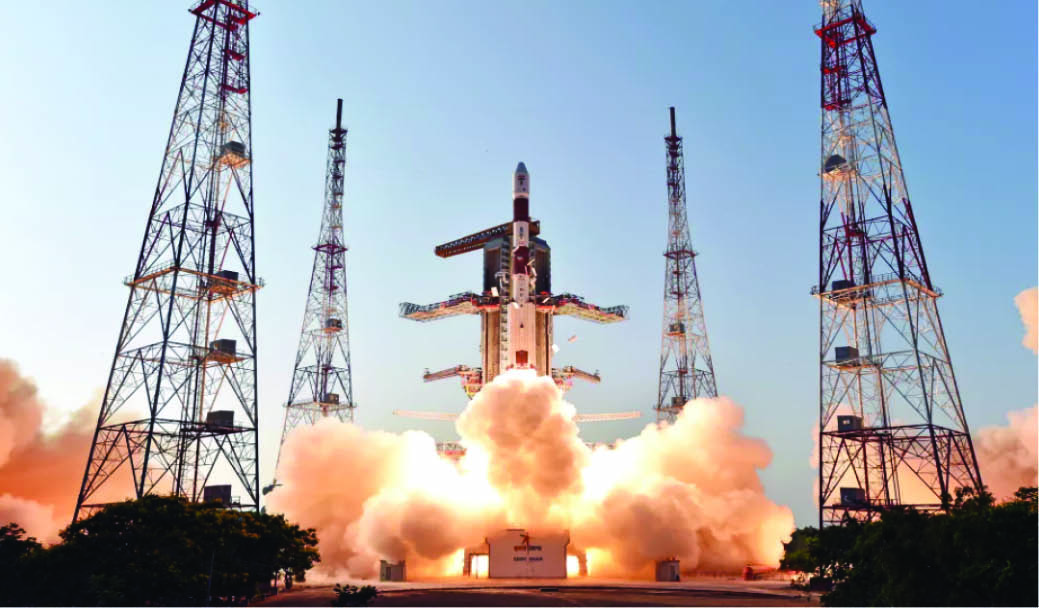
India’s renewed interest in strengthening its space programs, exemplified by the launch of Chandrayaan-3, has sparked a debate over its implications for Pakistan and the overall strategic stability of South Asia. The rapid technological and economic advancements of India have enabled it to invest in outer space and gain an advantage in communication, navigation, surveillance, … Read more

Geopolitical Significance of Jerusalem in the Israel-Palestine Conflict

Geopolitical Significance of Jerusalem in the Israel-Palestine Conflict

ABSTRACT Jerusalem stands as a focal point in the Israel-Palestine conflict. It holds immense historical, religious, and geopolitical significance for both parties. Jerusalem is a city with profound religious, cultural, and historical significance. Yet its geopolitical importance in the Israel-Palestine conflict cannot be overstated through a critical analysis of historical and contemporary developments. This research … Read more