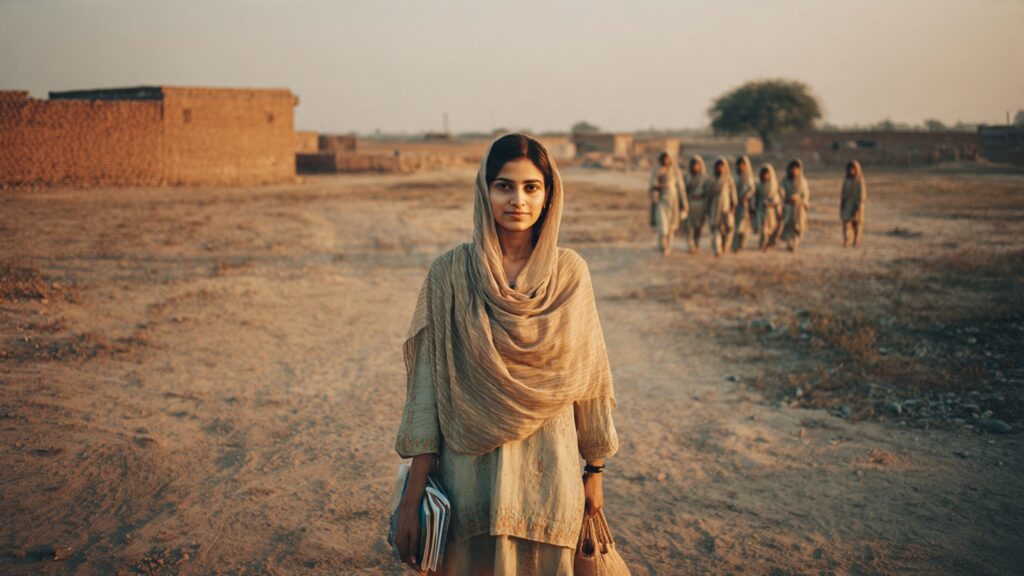
In the remote valleys of Gilgit-Baltistan, where glaciers shape the landscape and climate-induced disasters threaten communities, women’s healthcare remains a daily struggle. For adolescent girls and women living in geographically isolated villages, access to basic healthcare, menstrual hygiene products, reproductive health education and preventive screening is often determined by geography, poverty and deeply rooted social stigma.
For many women, menstruation is not simply a biological process; it is a monthly struggle for dignity. Pregnancy can become a life-threatening journey when the nearest healthcare facility is several hours away. Meanwhile, diseases such as cervical cancer remain largely invisible in communities where awareness of human papillomavirus (HPV), the leading cause of cervical cancer, is limited.
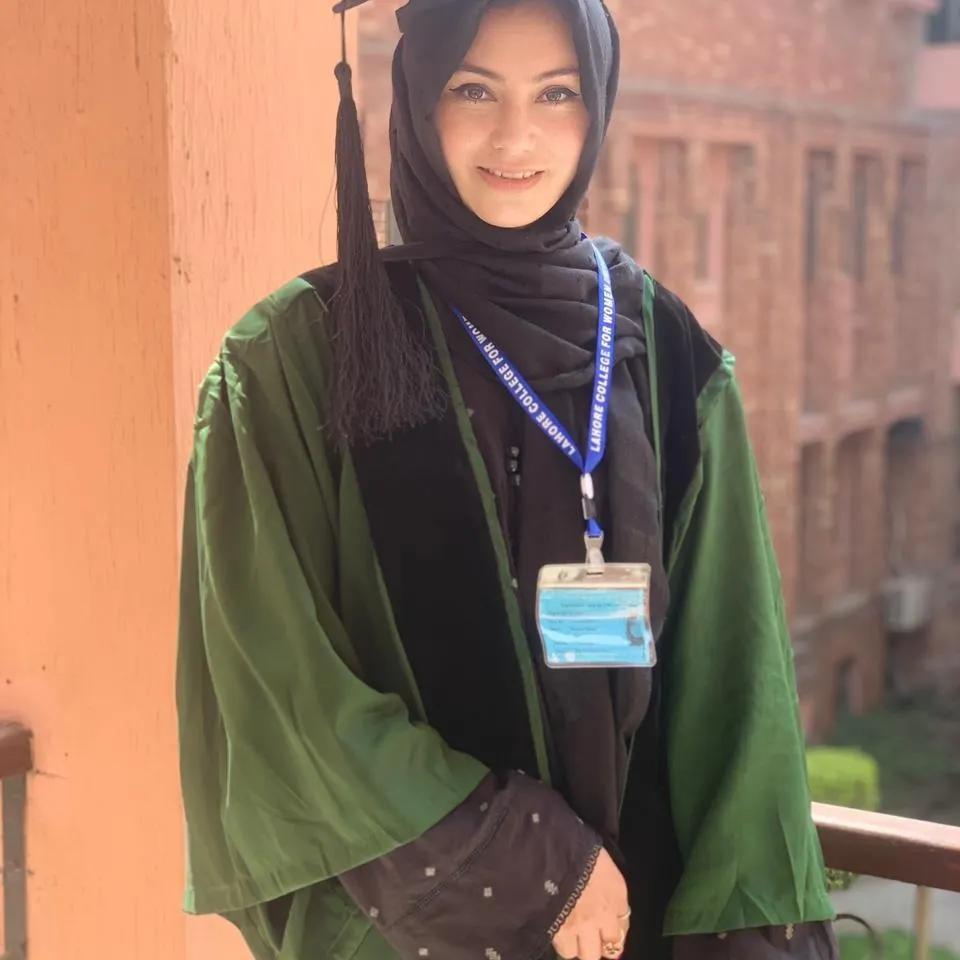
In this challenging landscape, Kaneez Fatima, a lecturer at the University of Management and Technology and founder of the youth-led Gilgit-Baltistan Right to Information Initiative (GBRTII), is working to bring women’s health and reproductive rights into conversations long neglected.
A geography that determines access to healthcare
Gilgit-Baltistan’s geographical isolation creates challenges that extend far beyond hospital availability. Its scattered settlements, mountainous terrain and severe winters make even routine medical consultations difficult. During flash floods, glacial lake outburst floods (GLOFs), cloudbursts and landslides, roads can become impassable, cutting off entire communities from essential services.
For women in remote villages, these disruptions can have serious consequences. According to Fatima, some women experience childbirth emergencies while living hours away from the nearest health facility. Lady Health Workers (LHWs) may have to travel for two to three hours, sometimes at night, to assist women in labor or arrange access to medical care. In some areas, healthcare workers are themselves severely limited in number, with Fatima describing a locality served by just one Lady Health Worker.
The consequences are particularly serious for adolescent girls and women with reproductive health needs. A pregnancy complication, infection or prolonged labor can quickly become an emergency when transport is unavailable and roads are blocked.
These difficulties are compounded by educational inequalities. According to Fatima, girls in some communities have access only to primary education, while middle schools may be co-educational. The absence of accessible secondary education limits opportunities for girls to learn about their bodies, reproductive health, disease prevention and their legal rights.
Early marriage, including marriages involving girls aged 13 or 14, adds another dimension to the challenge. Early pregnancy can expose adolescent girls to serious health risks, particularly when antenatal care, skilled birth attendance and emergency obstetric services are difficult to access.
The problem is therefore not simply the absence of hospitals. It is an interconnected crisis involving education, transportation, gender inequality, reproductive rights and climate vulnerability.
Menstruation without dignity: A daily struggle for survival
For many women in remote communities, menstruation is an experience shaped by poverty, inadequate sanitation and a lack of reliable access to menstrual products.
Fatima describes women working in agricultural fields for 12–14 hours a day, often balancing household responsibilities with farming, caring for livestock and collecting firewood. In some communities, women rely on improvised menstrual management practices, including cloth and other locally available materials. Some practice menstrual free flow, while access to commercial sanitary products remains limited.
Winter makes these difficulties even more severe. Freezing temperatures, limited water supplies, inadequate washing facilities and the scarcity of menstrual products can make maintaining menstrual hygiene particularly challenging.
Menstrual health is not simply about having sanitary pads. It also requires access to clean water, private toilets, soap, safe disposal facilities, accurate information and healthcare when complications arise. Without these essentials, girls and women may experience discomfort, anxiety and difficulties participating in education and everyday activities.
The absence of menstrual health education also reinforces harmful misconceptions. When menstruation is treated as a subject of shame rather than a normal biological process, girls may be reluctant to ask questions, seek medical assistance or discuss symptoms with their families.
For adolescent girls, this silence can have long-term consequences. A lack of accurate information about menstruation, pregnancy, contraception and reproductive health can leave them particularly vulnerable during a critical stage of physical and emotional development.
GBRTII: Bringing menstrual health education to remote communities
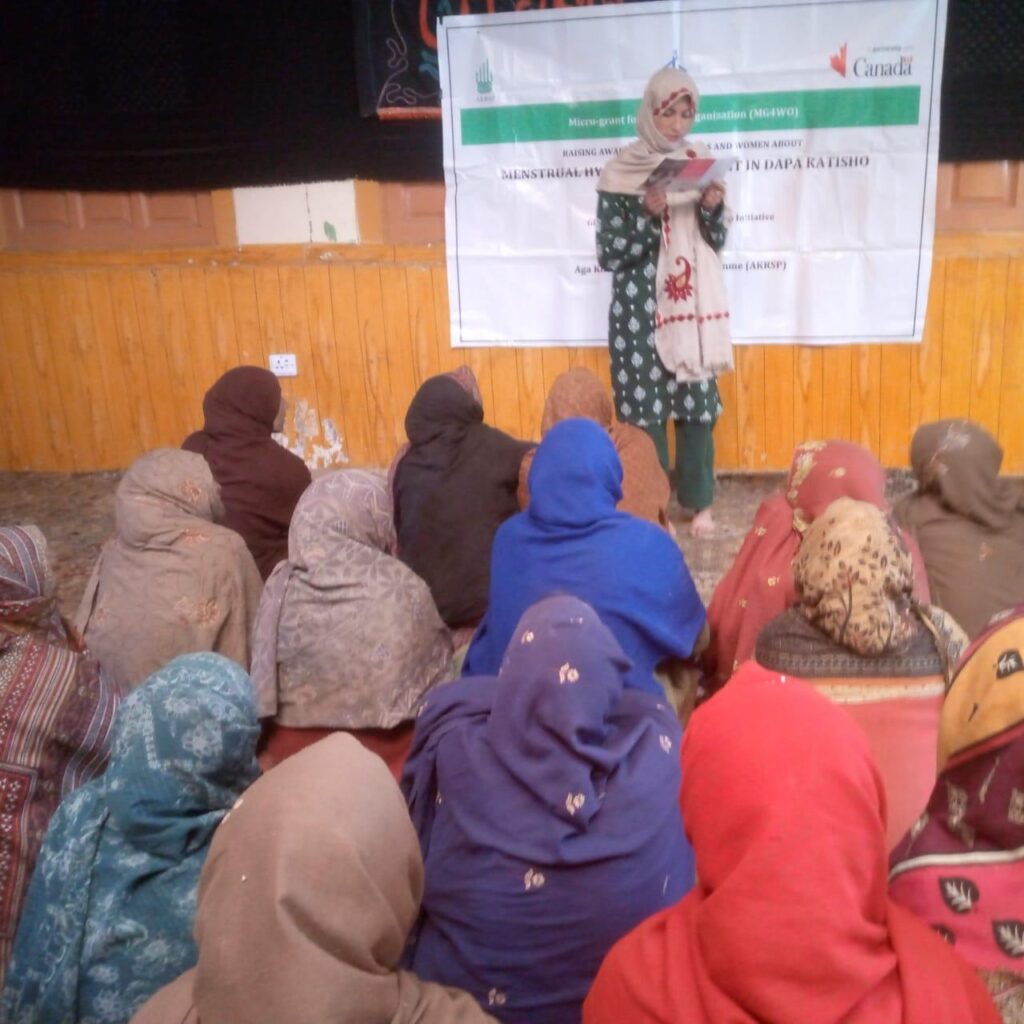
In 2025, the Gilgit-Baltistan Right to Information Initiative conducted 10 menstrual hygiene management sessions in Dapa Katisho, a remote area of Kharmang district.
Recognizing the urgent need for awareness and practical support, Fatima established GBRTII as a youth-led initiative to empower young people, particularly women and girls, through education about their rights.
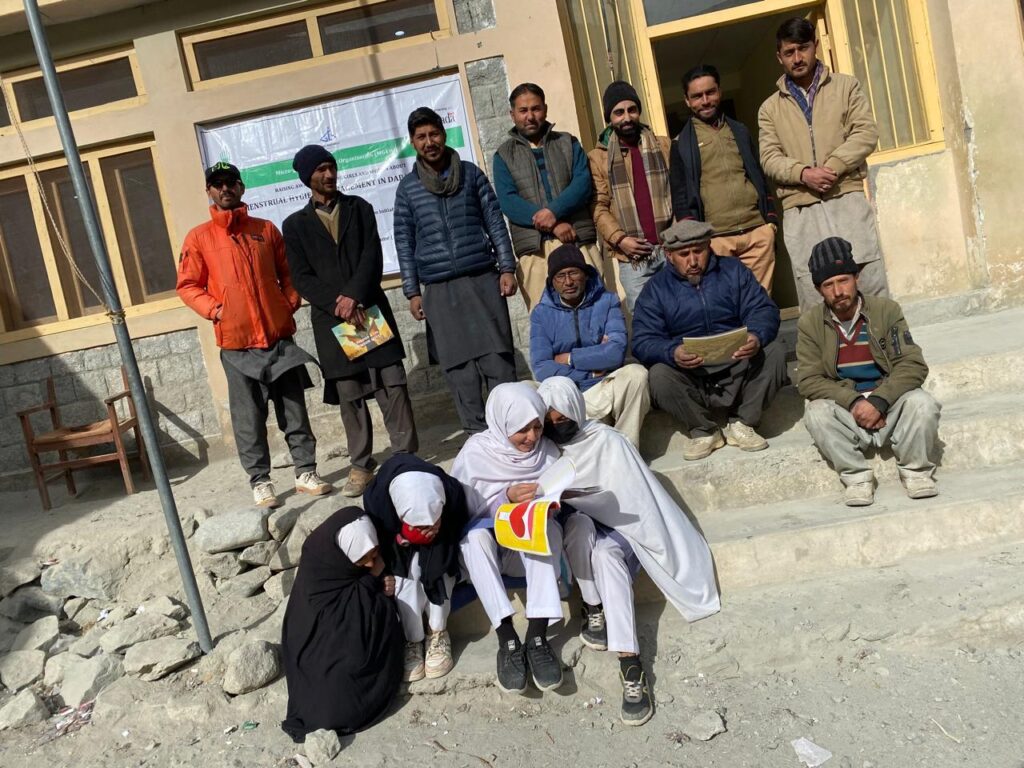
In 2025, the organization held 10 menstrual hygiene management sessions in Dapa Katisho, a remote community in Kharmang district. The initiative provided dignity kits to women and girls and distributed educational toolkits to schoolteachers to help extend menstrual health awareness beyond the sessions.
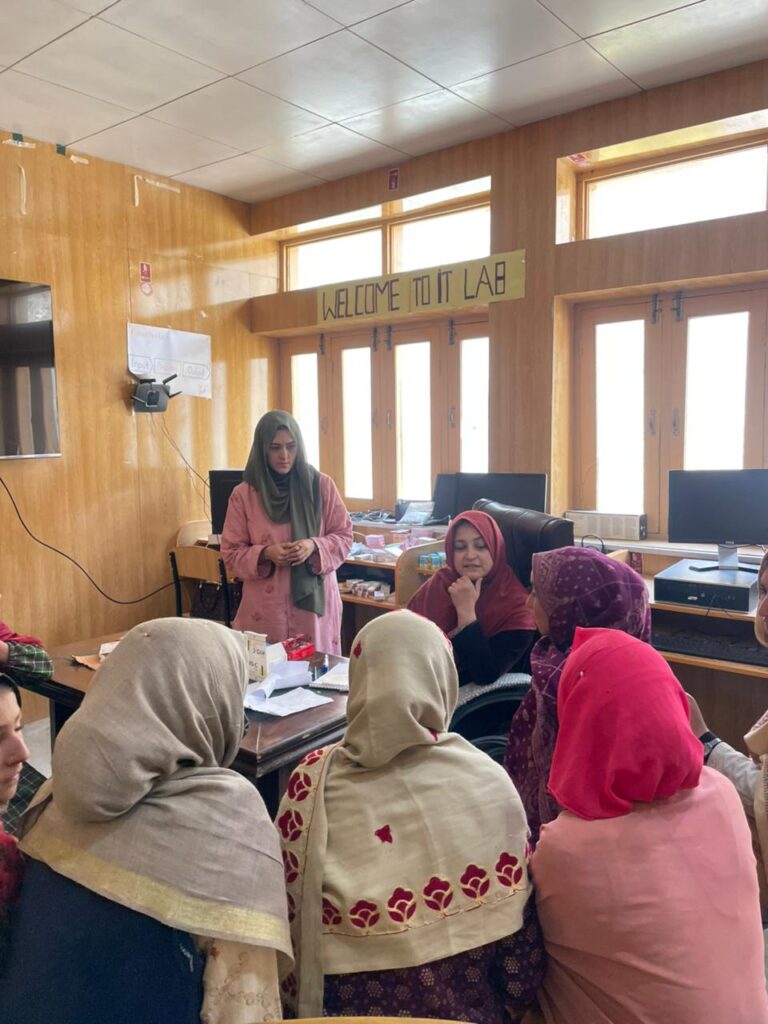
The program also involved gynaecologists who explained menstruation and other biological processes, helping participants understand their bodies and challenge misconceptions and social stigma.
These interventions represent a community-based approach to preventive healthcare. Rather than limiting health education to hospitals and urban centers, the initiative brings information directly to communities where access to medical professionals is often restricted.
The provision of dignity kits addresses immediate needs, while teacher toolkits offer a way to sustain menstrual health education in schools. Engagement with gynaecologists also gives women and girls opportunities to ask questions in a more informed and supportive environment.
However, the challenge extends beyond individual awareness sessions. Sustained program require regular access to menstrual products, safe sanitation facilities, trained female healthcare workers and reliable referral pathways for women who need medical treatment.
The Silent Threat: Cervical Cancer and the Absence of Preventive Care
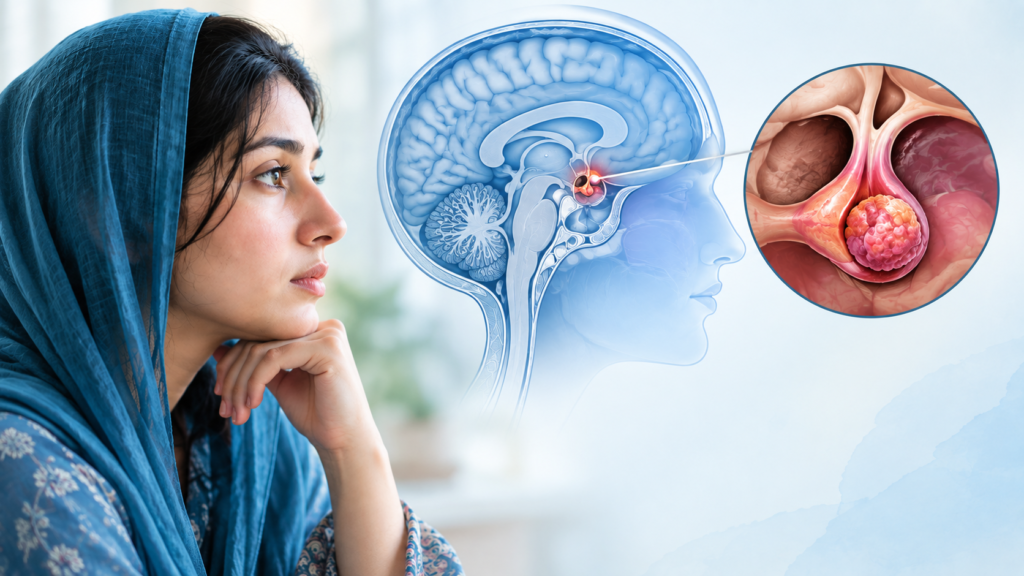
Among the most pressing concerns in women’s healthcare is the lack of awareness about cervical cancer, a largely preventable disease that continues to claim hundreds of thousands of lives worldwide. According to the World Health Organization (WHO), approximately 660,000 new cases and 350,000 deaths from cervical cancer were reported globally in 2022. Almost 99% of cervical cancer cases are linked to persistent infection with high-risk human papillomavirus (HPV), while approximately 90% of HPV infections are naturally cleared by the body’s immune system.
Cervical cancer develops in the cervix, the lower part of the uterus, and is primarily associated with persistent infection with certain high-risk types of HPV, a common virus transmitted through intimate skin-to-skin contact. Although most HPV infections resolve naturally without causing illness, persistent infections can lead to abnormal cervical cell changes that may eventually develop into cancer. This process generally takes 15–20 years, providing a significant window for prevention, early detection and timely treatment. HPV vaccination and regular cervical cancer screening are therefore essential interventions that can substantially reduce the risk of developing and dying from this disease.
For women in remote areas of Gilgit-Baltistan, however, the opportunity for prevention may be lost when healthcare information, vaccination and screening services are inaccessible.
Fatima reports that awareness of cervical cancer and HPV is extremely limited in some of the communities where her initiative works. Women may only seek medical assistance after experiencing serious symptoms, when the disease may already have progressed. There are no verified local figures available here to establish the scale of cervical cancer in the specific villages GBRTII serves, but the reported lack of awareness highlights an important preventive healthcare gap.
Cervical cancer can remain asymptomatic during its early stages. When symptoms do develop, they may include bleeding between periods, bleeding after sexual intercourse, unusual vaginal discharge or pelvic pain. These symptoms do not necessarily indicate cancer, but they require medical assessment.
The absence of symptoms does not mean that screening is unnecessary. Waiting for pain or abnormal bleeding can delay diagnosis because precancerous cervical changes often produce no noticeable symptoms.
Cervical Cancer in Pakistan
In Pakistan, cervical cancer remains a significant but largely preventable public health concern. According to the International Agency for Research on Cancer (IARC), Pakistan recorded approximately 5,008 new cervical cancer cases and 3,197 deaths in 2022. Persistent infection with high-risk human papillomavirus (HPV) is responsible for almost all cervical cancer cases worldwide. However, Pakistan lacks comprehensive population-wide HPV prevalence data, making it difficult to establish a reliable national HPV infection rate. The burden of cervical cancer, combined with limited awareness, inadequate screening and barriers to preventive healthcare, highlights the urgent need for HPV vaccination, early detection and accessible reproductive health education, particularly for women and adolescent girls in remote communities.
Pakistan’s HPV burden is also a growing concern, although reliable nationwide prevalence data remain limited. According to the ICO/IARC Information Centre on HPV and Cancer’s 2023 country fact sheet, approximately 0.5% of women with normal cervical screening results were estimated to carry HPV-16 or HPV-18 at a given time. These two high-risk HPV types account for approximately 88.1% of invasive cervical cancer cases in Pakistan. A 2026 study conducted among 497 women in Karachi found an overall HPV prevalence of 16.7%, including 11.8% with high-risk HPV infections. However, these findings represent the study participants in Karachi and should not be interpreted as the national prevalence rate. The limited availability of population-based HPV data, combined with inadequate screening and barriers to healthcare, underscores the need for expanded HPV vaccination, cervical cancer screening and reproductive health education across Pakistan, particularly in underserved and geographically isolated communities.
Prevention before treatment: What every girl and woman should know
- HPV vaccination
HPV vaccination is the primary method of preventing cervical cancer. WHO recommends vaccination for girls aged 9–14, preferably before exposure to HPV. The vaccine is preventive, not a treatment for an existing HPV infection or cancer.
- Regular cervical cancer screening
Screening can detect HPV infection or precancerous changes before cancer develops. WHO recommends high-performance screening at ages 35 and 45 for the general population, with different schedules for women living with HIV. Local clinical guidance should determine the appropriate test and follow-up.
- Recognizing symptoms and seeking care
Women should seek medical assessment for unusual vaginal bleeding, persistent pelvic pain or abnormal discharge. Screening remains necessary even without symptoms.
- Comprehensive reproductive health education
Age-appropriate education about puberty, menstruation, HPV, pregnancy and reproductive health can help adolescents make informed decisions and recognize when they need medical attention.
These preventive measures are particularly important in communities where women may have limited opportunities to consult healthcare professionals.
In September 2025, Pakistan launched its first national HPV vaccination campaign, initially targeting girls aged 9–14 in Punjab, Sindh, Islamabad Capital Territory and Pakistan-administered Kashmir. The government announced a phased expansion, with Gilgit-Baltistan included in the planned 2027 rollout. The campaign shows the potential of preventive healthcare, although reaching geographically isolated communities remains a significant implementation challenge.
For girls in remote villages, effective implementation will require more than vaccine availability. It will also depend on community engagement, accessible vaccination sites, reliable outreach services and clear communication with parents to address misinformation and concerns.
Adolescent girls: Protecting health before complications arise
Adolescence is a critical period for establishing lifelong health practices. Yet girls in geographically isolated communities may enter adulthood without adequate information about their bodies or access to essential health services.
Early marriage, limited schooling and inadequate reproductive health education can increase their vulnerability. Adolescent pregnancy is associated with increased risks of certain complications, including eclampsia, severe infections and preterm birth. These risks become particularly concerning when skilled maternal healthcare is unavailable.
Preventive care for adolescent girls must therefore extend beyond menstrual hygiene. It should include age-appropriate puberty education, HPV vaccination, nutritional support, mental health awareness, protection from child marriage and access to confidential, respectful healthcare.
Schools can play a significant role. Female teachers, school health program and trained community workers can provide reliable information and identify girls who need additional support. However, teachers also need appropriate training, educational resources and institutional support to deliver these programs effectively.
Fatima’s account of female teachers working in boys’ schools, sometimes without adequate maternity leave arrangements or appropriate institutional support, illustrates how gender inequalities can affect the very people expected to support girls’ education.
A sustainable approach must protect the health and rights of both students and female educators.
Climate change is also a women’s health emergency
The health challenges facing women in Gilgit-Baltistan cannot be separated from the region’s increasing exposure to climate-related hazards.
Flash floods, glacial lake outburst floods, cloudbursts and landslides can disrupt transport networks, damage health facilities and interrupt the supply of essential medicines and menstrual products. For pregnant women, even a temporary road closure can mean a dangerous delay in reaching emergency obstetric care.
Climate-related displacement and disruption can also affect access to safe drinking water, sanitation and private spaces for menstrual hygiene. During severe winters and disasters, women who already experience limited access to healthcare may face additional difficulties.
This makes climate-resilient healthcare particularly important. Mobile medical teams, emergency transport arrangements, strategically placed supplies of menstrual products, trained female healthcare workers and reliable communication networks can help reduce the impact of geographical isolation.
Health services must also include disaster preparedness plans that explicitly address the needs of pregnant women, adolescent girls and women with disabilities.
From awareness to action: What needs to change
Five priorities for women’s health in Gilgit-Baltistan
- Expand preventive healthcare: Ensure HPV vaccination reaches eligible girls and establish accessible cervical cancer screening and referral services for adult women.
- Make menstrual hygiene accessible: Provide affordable or free menstrual products, safe sanitation, clean water and appropriate disposal facilities, particularly during winter and emergencies.
- Strengthen rural maternal healthcare: Increase the availability of trained female health workers, skilled birth attendants, emergency transport and round-the-clock referral services.
- Keep adolescent girls informed and in school: Expand age-appropriate reproductive health education, support girls’ transition to secondary education and strengthen efforts to prevent child marriage.
- Build climate-resilient health services: Maintain emergency supplies, mobile clinics and contingency transport arrangements for communities isolated by floods, landslides and snowfall.
For GBRTII, the next step could be to build on its menstrual hygiene sessions by incorporating structured cervical cancer education, HPV vaccine awareness and referrals to qualified healthcare professionals. Partnerships with schools, local health departments, gynaecologists and community organizations could help extend the program to more remote settlements.
Measuring progress will also be essential. The number of girls reached, dignity kits distributed, teachers trained, eligible girls vaccinated and women referred for screening can provide measurable indicators of the initiative’s impact. Any assessment should also establish whether women can access follow-up care after an initial intervention.
Beyond awareness: A question of dignity and the right to healthcare
The experiences described by Kaneez Fatima reveal a dimension of women’s healthcare that statistics alone cannot capture. A girl without menstrual products, a pregnant woman travelling for hours during a medical emergency and a woman unaware of cervical cancer prevention face different circumstances, but their experiences share a common concern: unequal access to essential healthcare.
GBRTII’s work in Dapa Katisho demonstrates how locally led initiatives can begin addressing these gaps through education, dignity kits and engagement with medical professionals. However, community initiatives cannot substitute for a functioning public healthcare system. Sustainable progress requires coordinated investment in preventive services, education, infrastructure and trained healthcare personnel.
The challenge facing Gilgit-Baltistan is not simply to treat illness after it occurs. It is to create conditions in which girls can grow up informed, women can access healthcare without travelling impossible distances, and preventable diseases can be identified before they become life-threatening.
For adolescent girls in these remote valleys, access to menstrual education, HPV vaccination and preventive healthcare is not a privilege. It is an essential part of their right to health, education and dignity.
Editorial note: The account of GBRTII’s activities and local conditions is based on information provided by Kaneez Fatima. The global health statistics and clinical prevention guidance are drawn from WHO and media sources.