
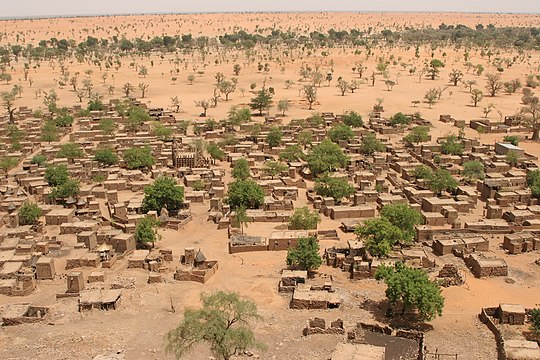
Climate change is one of the major challenges of our time, and particularly so for husbandry. Agriculture is a significant contributor to this change and, according to protrusions from the Intergovernmental Panel on Climate Change( IPCC), will witness differences in product conditions in the future.
The health pitfalls associated with climate change in Pakistan are multifaceted and complex. They include 1. Heatwaves
With rising temperatures, heatwaves are getting more frequent and severe, posing a trouble to public health. The senior, youthful children, and those with habitual health conditions are particularly vulnerable to the goods of extreme heat.
2. Vector- borne conditions
The increase in temperature and humidity, as well as the expansion of complaint- carrying species, have contributed to a rise in vector- borne conditions similar as malaria, dengue fever, and Zika contagion. These conditions can have significant impacts on public health, particularly in pastoral areas.
3. Air pollution
Climate change has led to an increase in gauze and air pollution, which can have mischievous goods on health. This is of particular concern in large metropolises like Lahore and Karachi, where high situations of air pollution can complicate respiratory problems and other health issues.
4. Mental health
The stress of dealing with the consequences of climate change, similar as relegation and property damage, can contribute to internal health issues. This can have a ripple effect on societal well- being and overall health.
The impacts of climate change on colorful taxonomic groups, similar as amphibians, catcalls, and mammals, can be significant. Some of these impacts include
1. Habitat loss
The loss of niche due to mortal expansion, deforestation, and other mortal conditioning can complicate the goods of climate change on species. This can affect in the decline of populations and the loss of biodiversity.
2. Invasive species
As climate conditions change, some invasive species may come more competitive in the altered terrain, pushing native species out of their territories. This can lead to farther declines in native populations and a drop in biodiversity.
3. Ecosystem services
The loss of biodiversity can have cascading goods on ecosystem services, similar as pollination, water filtration, and carbon insulation. This can have negative consequences for mortal well- being and the terrain.
Factors that promote changes in climate are education situations, political or ideological factors, and the feeling of propinquity
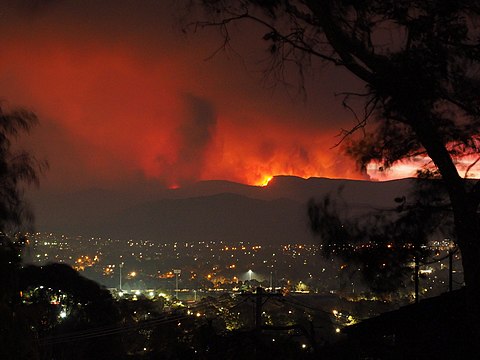
causes of climate change
1. Solar radiation
Variations in the intensity of solar radiation reaching the earth’s face can affect climate patterns.
2. stormy eruptions
The release of large amounts of ash and feasts from stormy eruptions can temporarily cool the climate by blocking sun. still, the long- term goods of these .
3.Ocean currents
Ocean currents play a pivotal part in regulating the earth’s climate. Changes in these currents can affect the distribution of heat and the conformation of ocean ice, which in turn impact the climate of conterminous regions.
The effects of change in climate are multifaceted and can have significant impacts on colorful aspects of mortal society and the natural world. Some of these goods include
1. Increased frequence and intensity of extreme rainfall events
Climate change is leading to an increase in the frequence and intensity of extreme rainfall events, similar as famines, cataracts, and storms.
2. Rising ocean situations
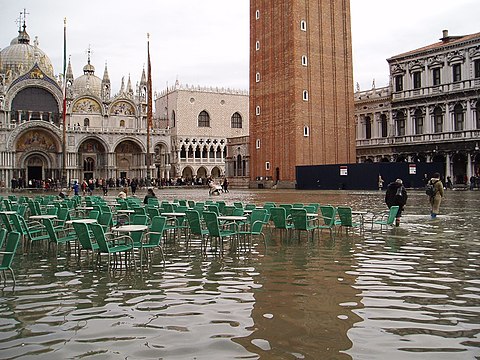
As the ice caps and glaciers melt due to global warming, ocean situations are rising at an accelerating rate. This can lead to flooding and the loss of littoral communities, affecting millions of people who live in low- lying areas.
3. Ecosystems and biodiversity
The impact of climate change on ecosystems and biodiversity can be ruinous. This can affect in the loss of species and the decline of ecosystem services, similar as pollination and water sanctification.
Climate knowledge plays a pivotal part in addressing the issues of climate change and global warming. It involves the accession of knowledge, chops, and stations needed to understand, appreciate, and cover the terrain.
Read more https://worldaffairsinsider.com/commonwealths-participation-in-global-climate-dynamics/
The following are some aspects of climate knowledge that are essential for creating mindfulness and promoting action
1. Critical thinking and analysis
The capability to dissect and criticically estimate information about climate change is pivotal for making informed opinions.
2. Communication and collaboration
Climate knowledge also involves the capability to communicate effectively about complex environmental issues and to work together with others to find results.
3. Ethics and values
mindfulness of the ethical and values issues related to climate change is essential for creating a sustainable future